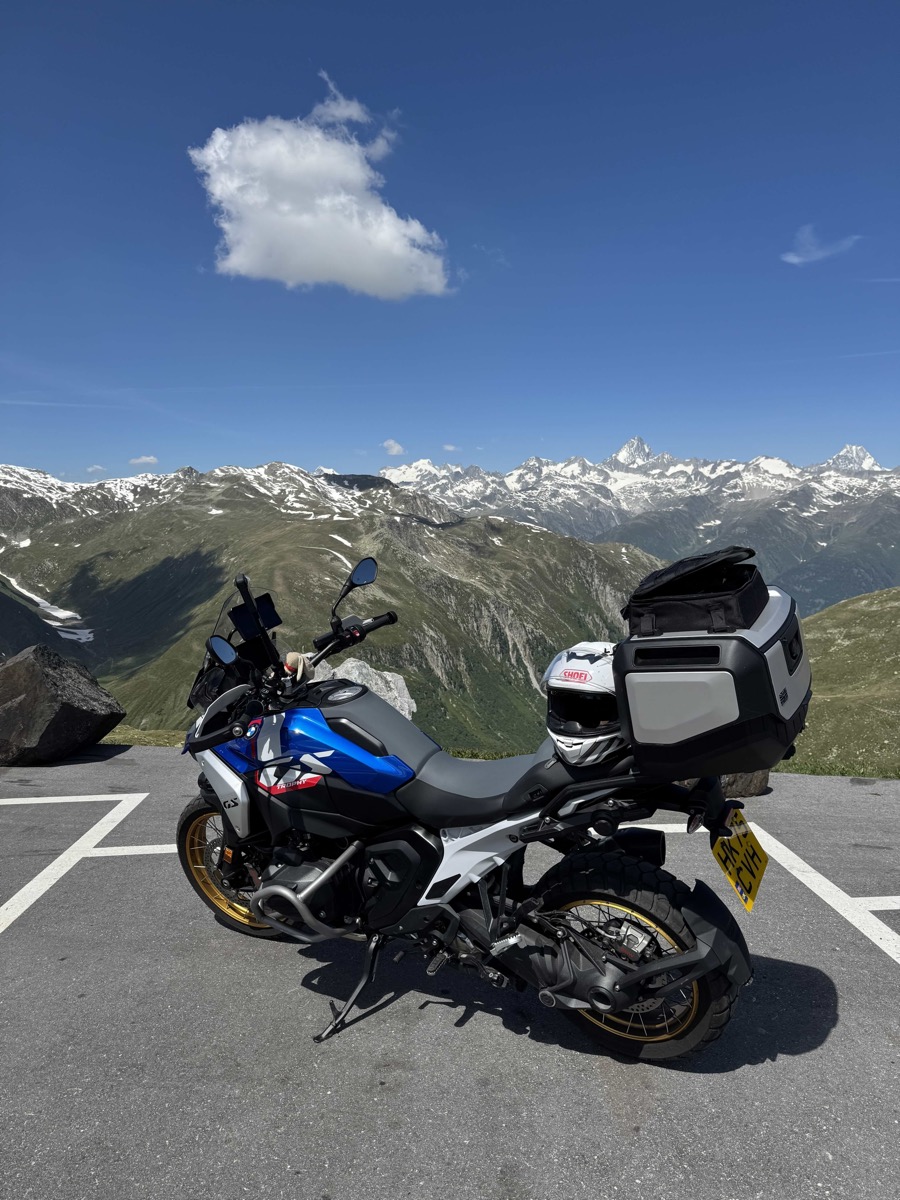
Aliyah, Naveeda, Toby and me — four motorcycles pointed at the heart of the Alps with a simple mission: catch the great passes, eat well, come home with stories. Here's how it went.
The trip at a glance
Twelve days, four bikes, five countries and some of the finest roads on the continent — ridden in good company and bloody hot weather. The shape of it, before the day-by-day.
Before you go: the planning groundwork — what to pack, French toll roads, fuel prices by country and bike security on tour — covers the boring-but-essential bits this report skips.
Twelve days. Here's how it went.
From the Channel tunnel to the holy trinity of passes and the long road home — one rail per day, the way the guides read.
Under the Channel
Le Shuttle from Folkestone, then a run into the flat farmland of northern France.
We rolled into the Folkestone terminal early, helmets steaming in the morning cool, and met Toby at the check-in. There's no romance to Le Shuttle — you ride your bike into a metal box, the doors close, and thirty-five minutes later you're in another country. But there's something undeniably good about watching England disappear into a tunnel mouth and emerging into the wide, flat farmland of northern France.
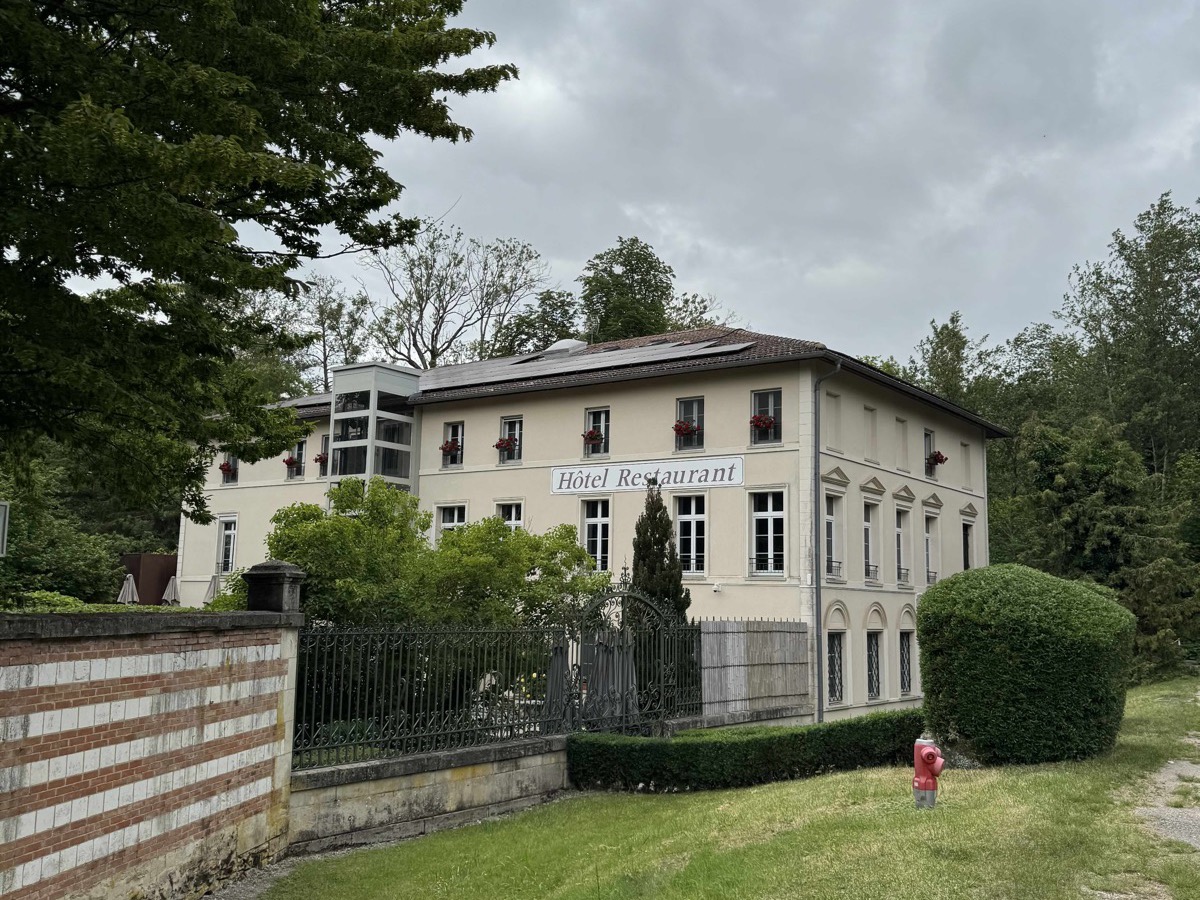
We pushed on to Le Clos de Mutigny, a quiet spot near La Chaussée-sur-Marne with private parking for the bikes, dropped the panniers, and went hunting for dinner and the first proper bottle of wine of the trip. The Alps were still a long way south. That was tomorrow's problem.
The long run south
The grind day. Departmental roads, then the autoroute got its turn.
This was the grind day, and every good Alpine tour has one. We'd planned to do it the romantic way — cross- country, off the tolls, watching France unspool one departmental road at a time. Beautiful for the first few hours. Then we looked at the clock at 3pm, looked at the map, and realised we still had 200 km to go to get to Fiesch.
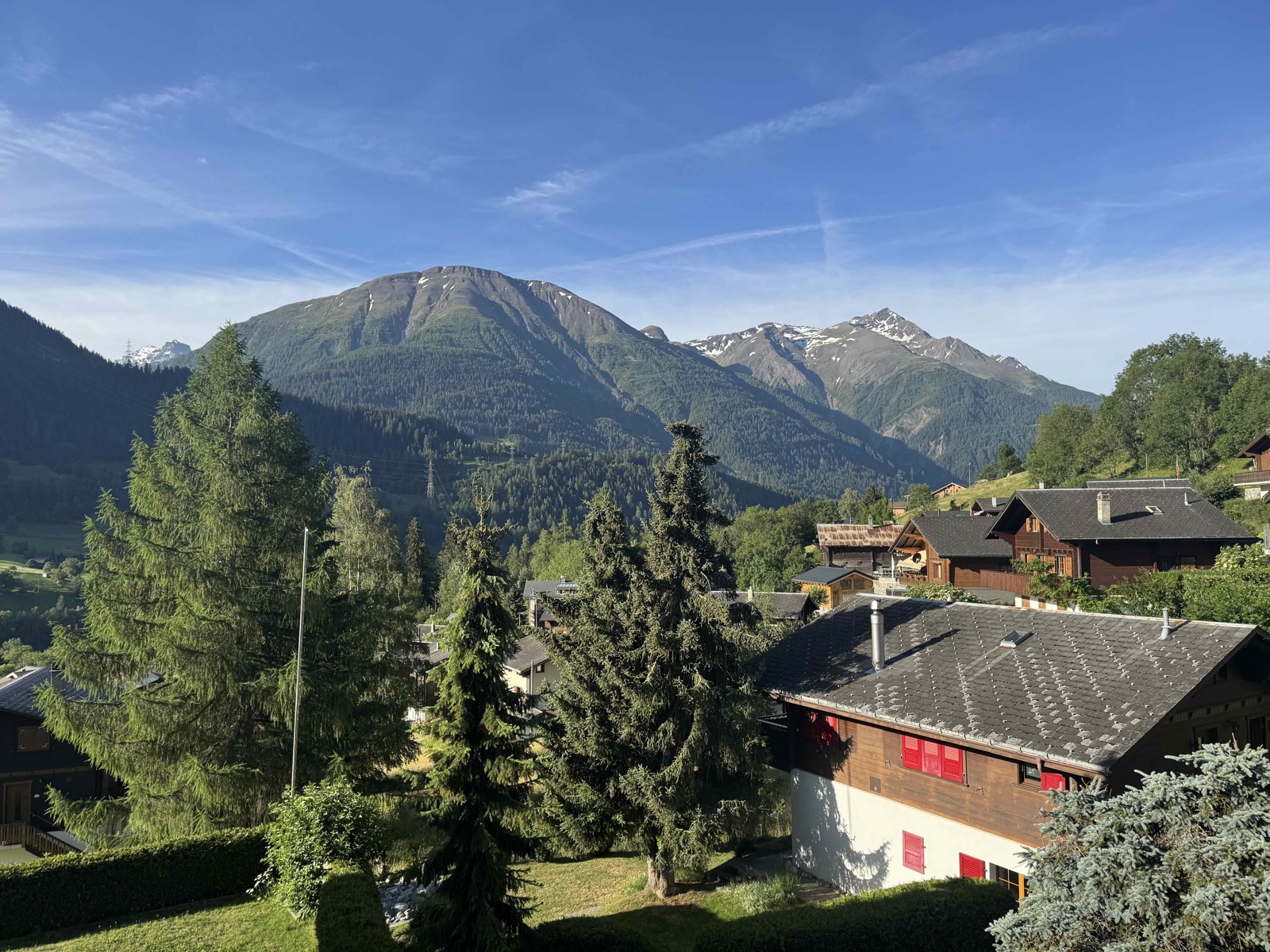
So the autoroute got its turn. A few fuel and food stops, the land started to fold without us noticing, and we crossed into Switzerland in the long evening light. The final climb up to the chalet had us negotiating a handful of tight switchbacks — a little tricky on tired arms after a long day, but good practice for the passes still to come. We rolled up at 8pm — later than we'd have liked, but luckily the Fiesch Coop stays open late on Saturdays. Milk, beer, breakfast essentials. Bikes parked up on the flat slabs at the chalet, out of the way and secure. Boots off. From the balcony you could see the mountains we'd come all this way to ride. Worth every motorway mile, even the late ones.
Feet up
Smart touring isn't all throttle. A day to do precisely nothing.
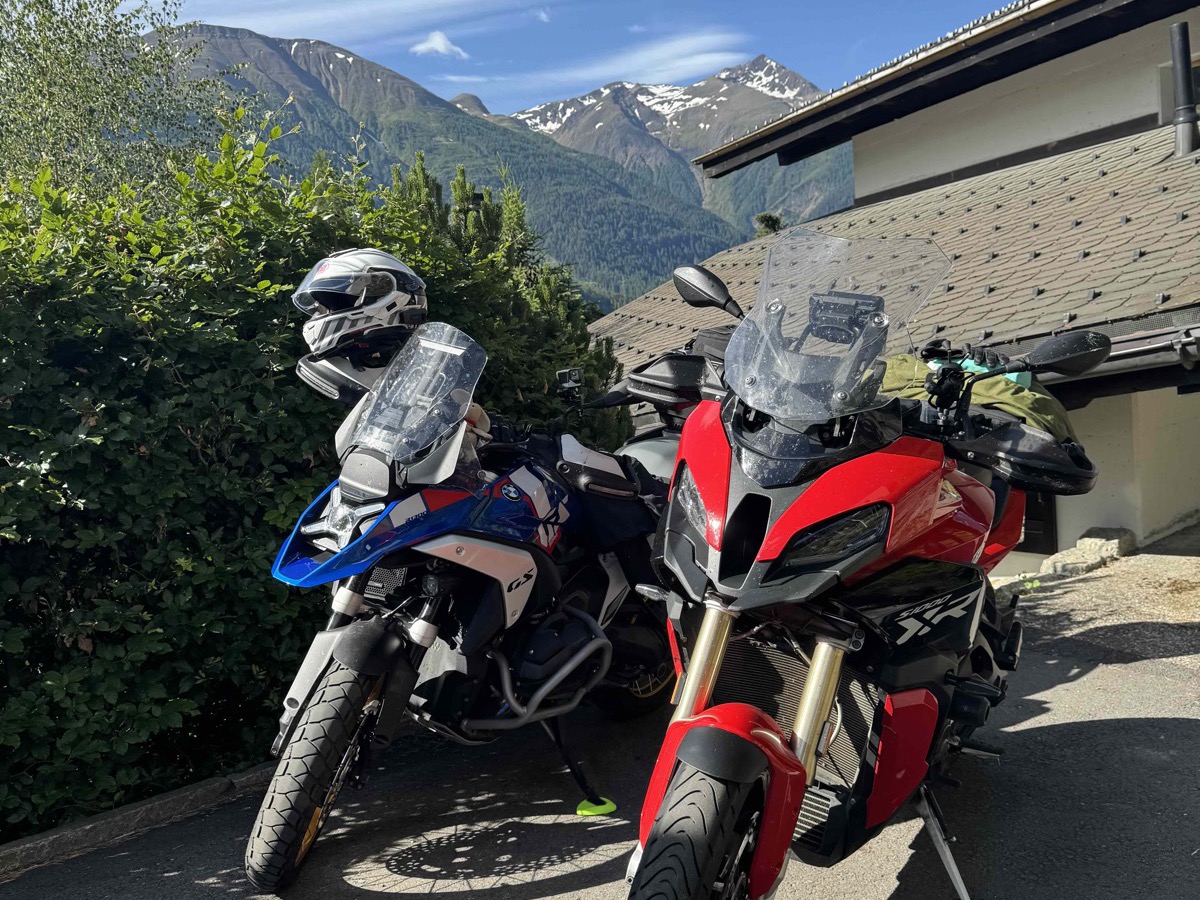
Smart touring isn't all throttle. We took a day to do precisely nothing — feet up on the chalet balcony, a wander down to the local Coop to stock the kitchen, and an ice cream in the sun because why not. The small administrative joys of doing nothing in particular in a beautiful place. The legs were rested. The bikes were checked. Tomorrow we'd earn the trip.
The holy trinity
Three of the most famous passes in Europe, strung into one perfect loop.
If you ride motorcycles, you already know these names.
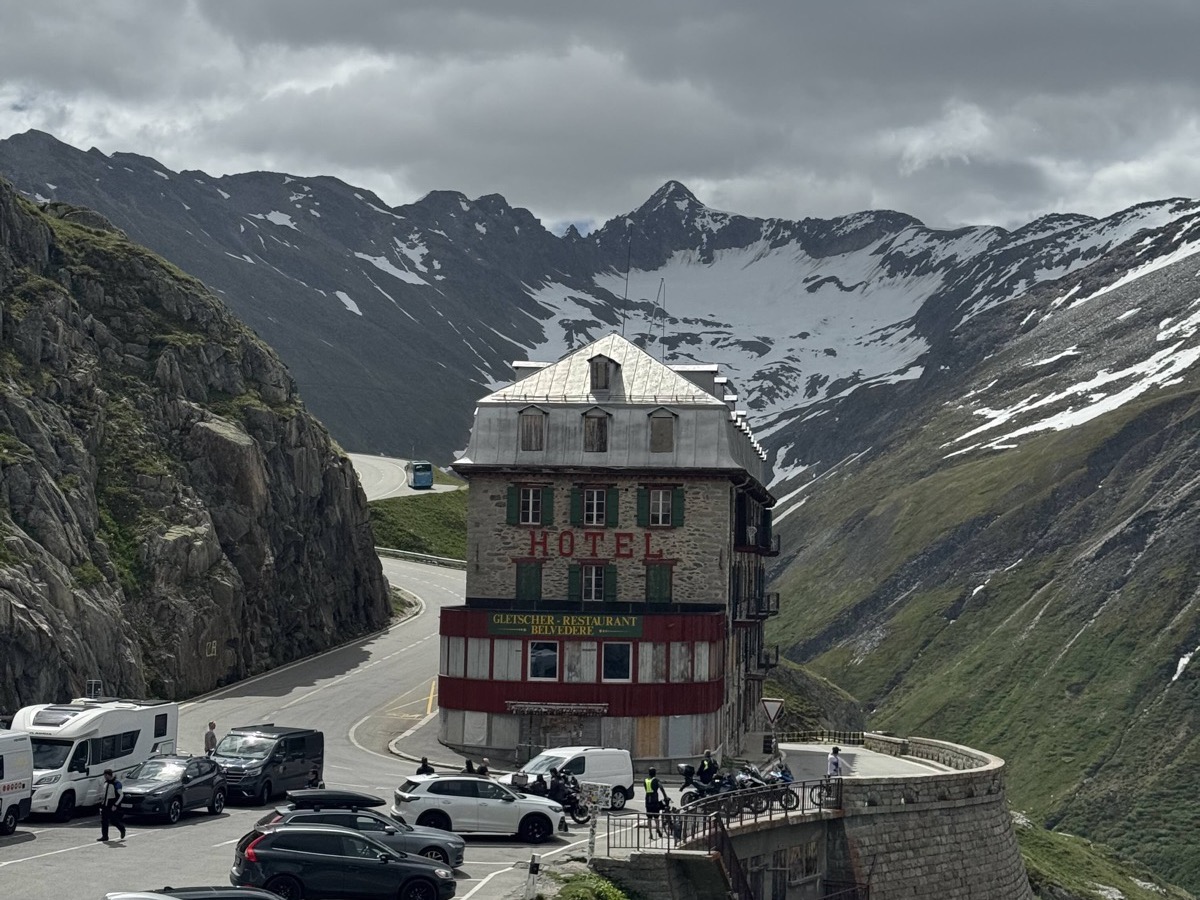
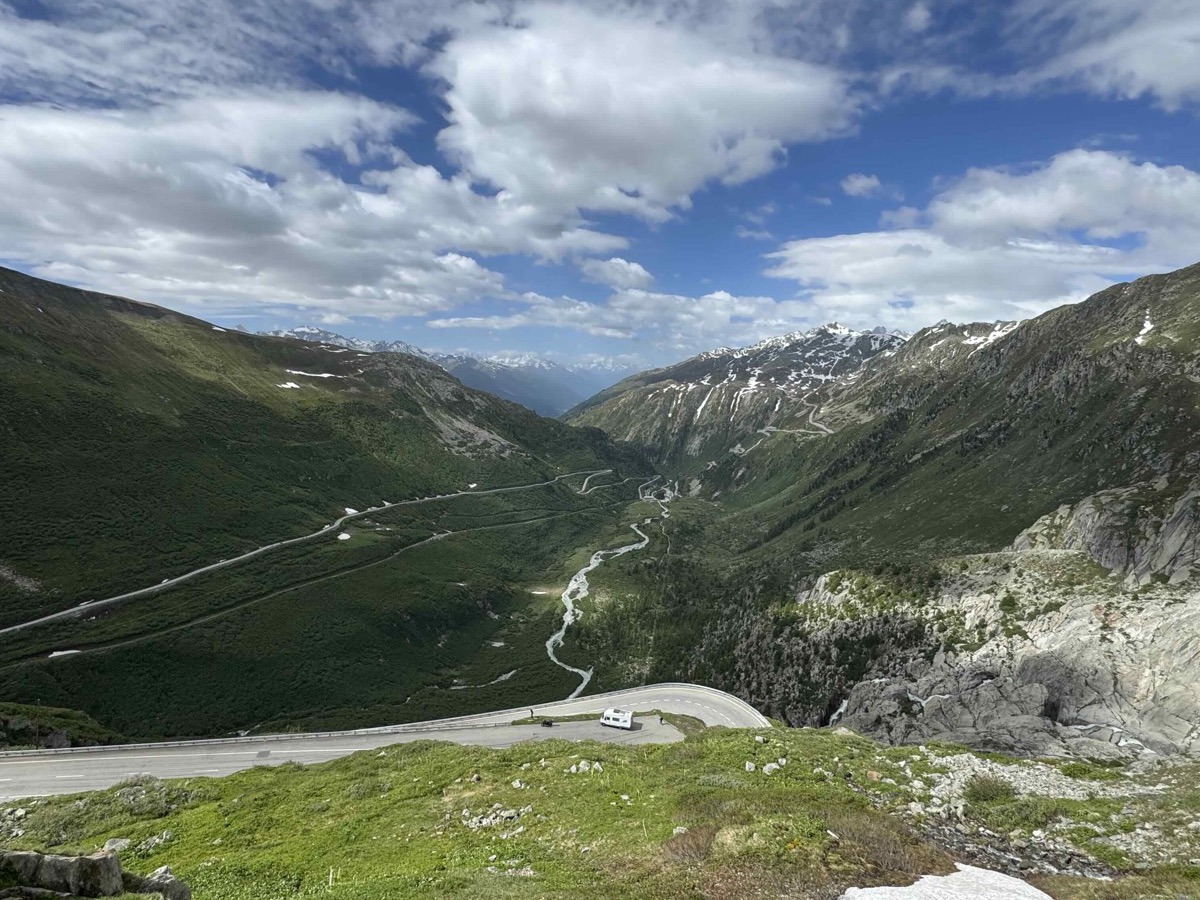
We strung together three of the most famous passes in Europe in a single, perfect loop. Furka came first — the showpiece at 2,429 metres, all hairpins and exposure and that giddy sense of riding along the spine of the world. (Yes, that Furka — the one James Bond raced through in Goldfinger. It hasn't lost any of its drama.) Then Susten, more flowing than its neighbours, fast and rhythmic, the kind of road where you stop thinking and just ride.
And then Grimsel to close the loop — 2,106 metres of glassy tarmac threading past glacial lakes the colour of turquoise glass, with pullouts every few corners practically begging you to stop and stare. Four bikes, endless switchbacks, brakes warm and grins wide. This was the day the whole trip had been built around, and it delivered every bit of it.
Cable car to the glacier
A day off the bikes, up the gondola to the Aletsch.
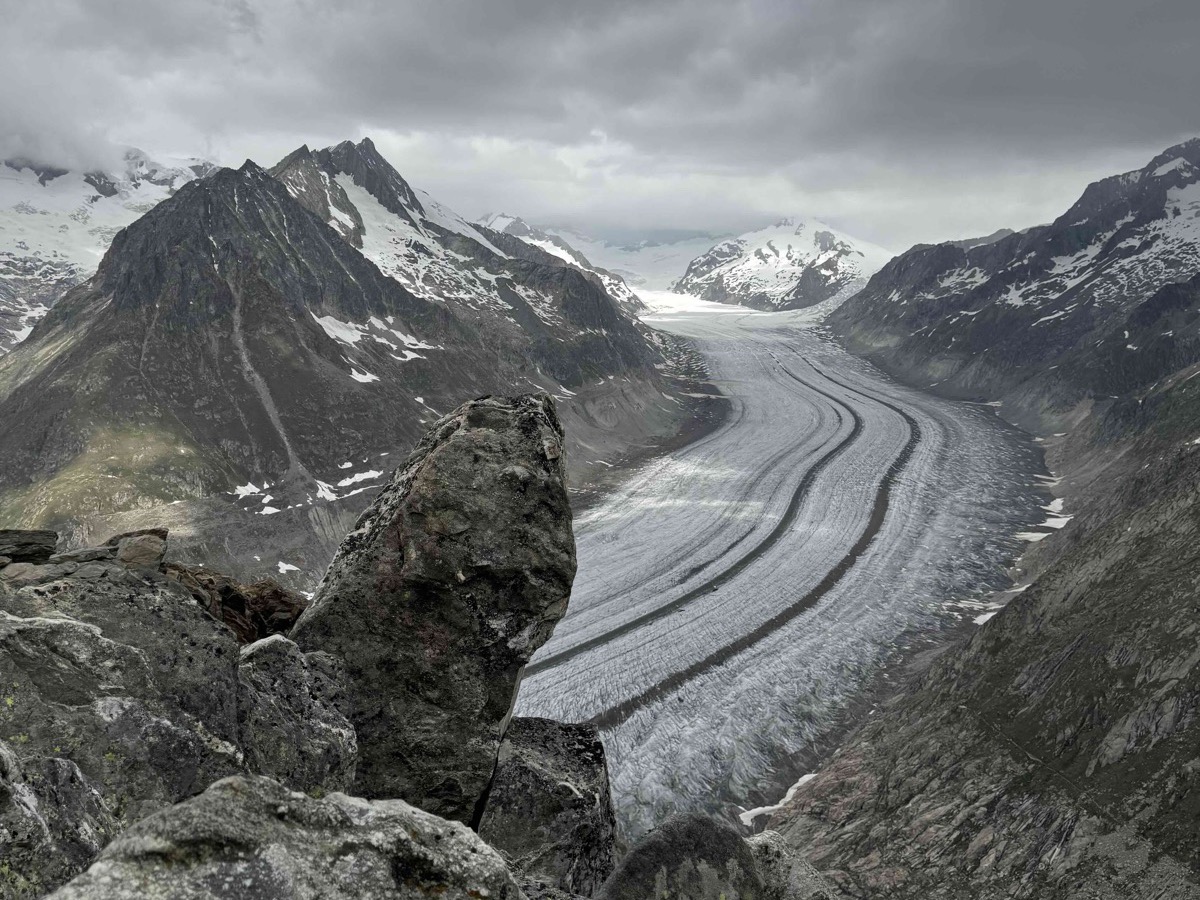
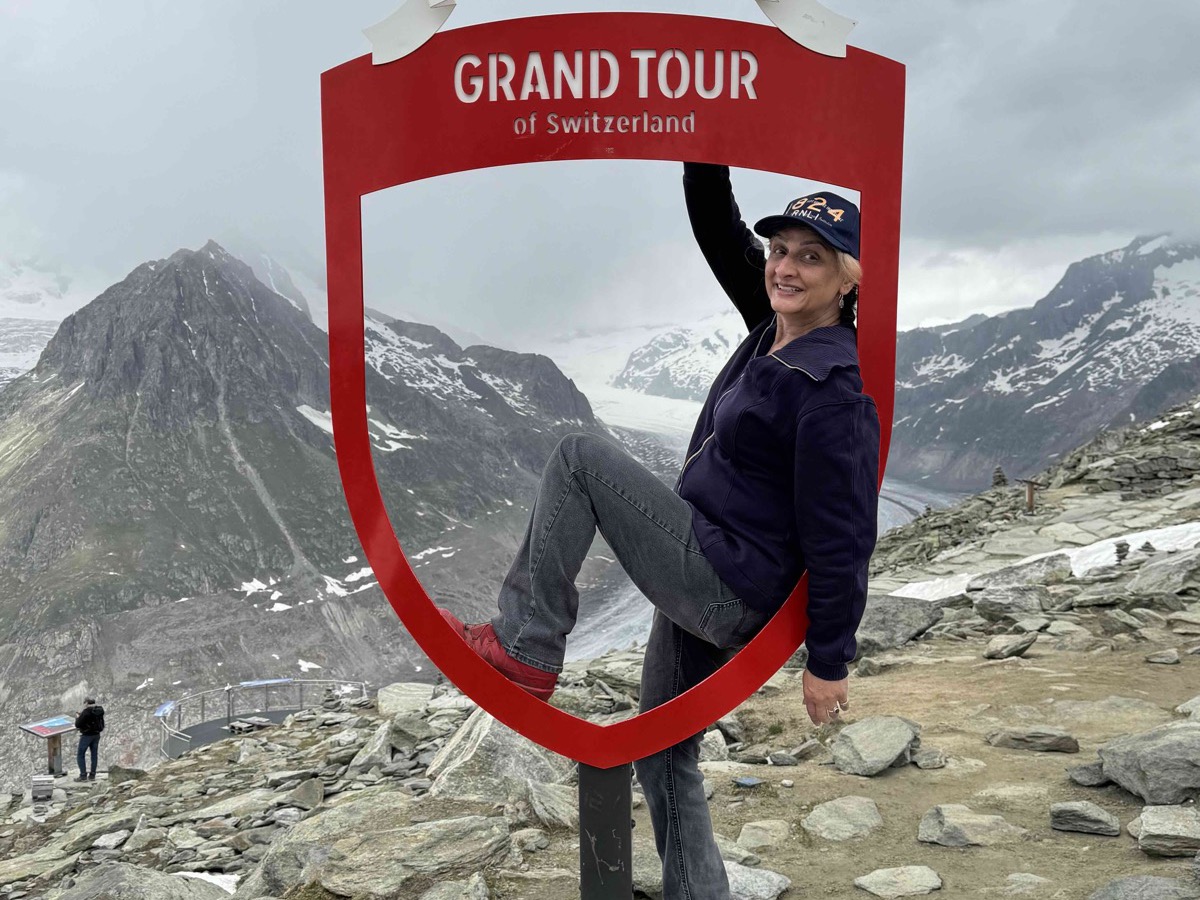
A day off the bikes. We took the cable car up from Fiesch to look out over the glacier — that vast, ancient river of ice that fills the valley above the Aletsch region, one of the great sights of the Alps. There's something humbling about trading the noise of four engines for the silence up there, the air thin and clean, the ice stretching off further than you can quite take in. Worth every franc of the gondola ticket.
Italy via Nufenen and Simplon
Over the highest all-Swiss pass, down to the lakes, back over Simplon.
Back up high for the Nufenenpass, the highest paved pass that sits entirely within Switzerland, and one of the quieter greats — wild, windswept and gloriously empty compared to its famous neighbours.
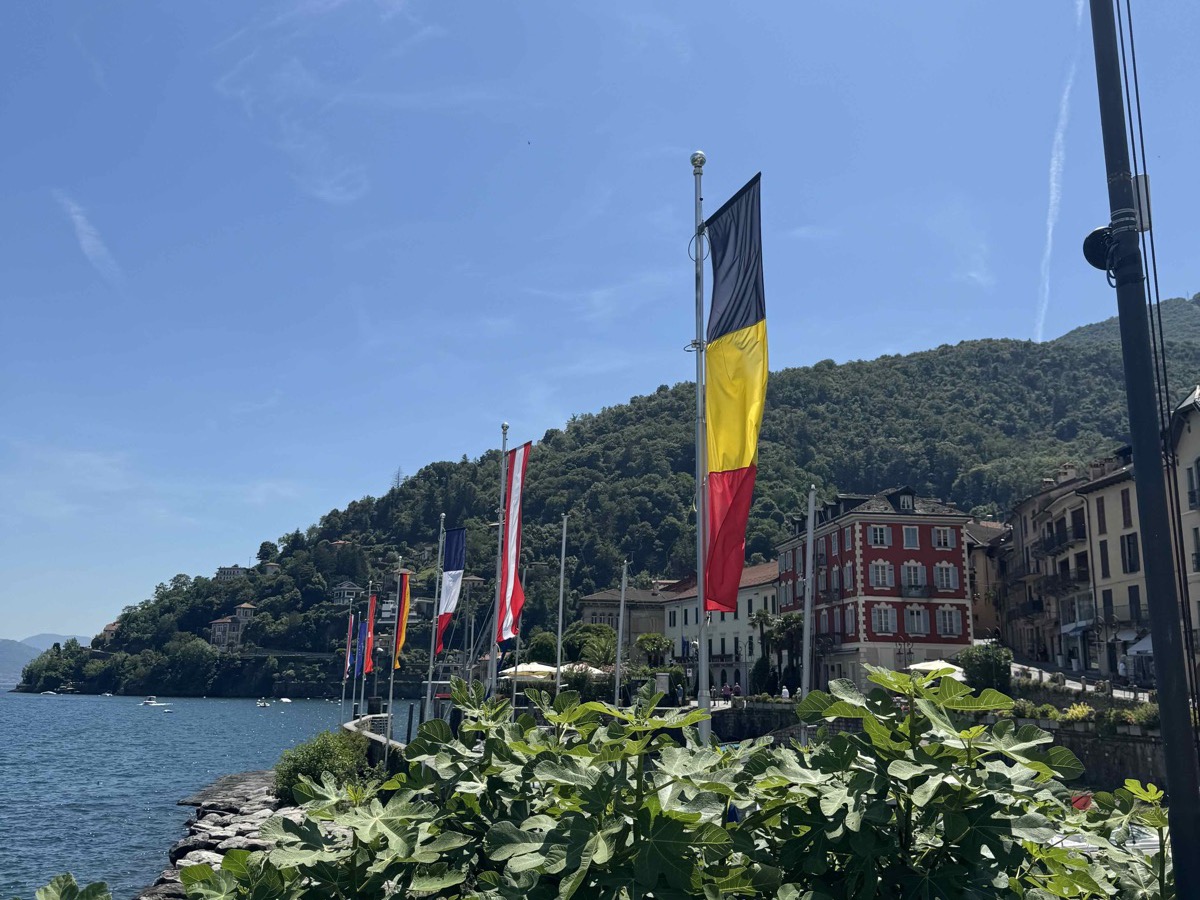
Then we tipped over into Italy and chased the day through Airolo, down to Ascona and Cannobio on the shores of Lago Maggiore. Lunch was one of many lakeside restaurants — proper Italian food in the sun, the lake glinting behind the table. When we walked back to the bikes the afternoon heat had done its trick: mine had sunk a few inches further into the tarmac. Helmets back on. Time to chase some cooler air in the mountains.
Inland onto a stretch of properly twisty Italian back-roads — the kind where you stop counting corners and just settle in. One of us put a bike down on one of them. Small mercies: a scratch and a snapped clutch lever, still rideable, no one hurt.
We'd planned to push up the Formazza valley to the waterfall, but the day was getting away from us. We struck the waterfall off the list, pointed the bikes back over the Simplon Pass to the chalet, and called it a well-earned rest. The waterfall would have to wait for tomorrow.
Back up Nufenen for the strudel
The "if it was good, ride it again" principle.
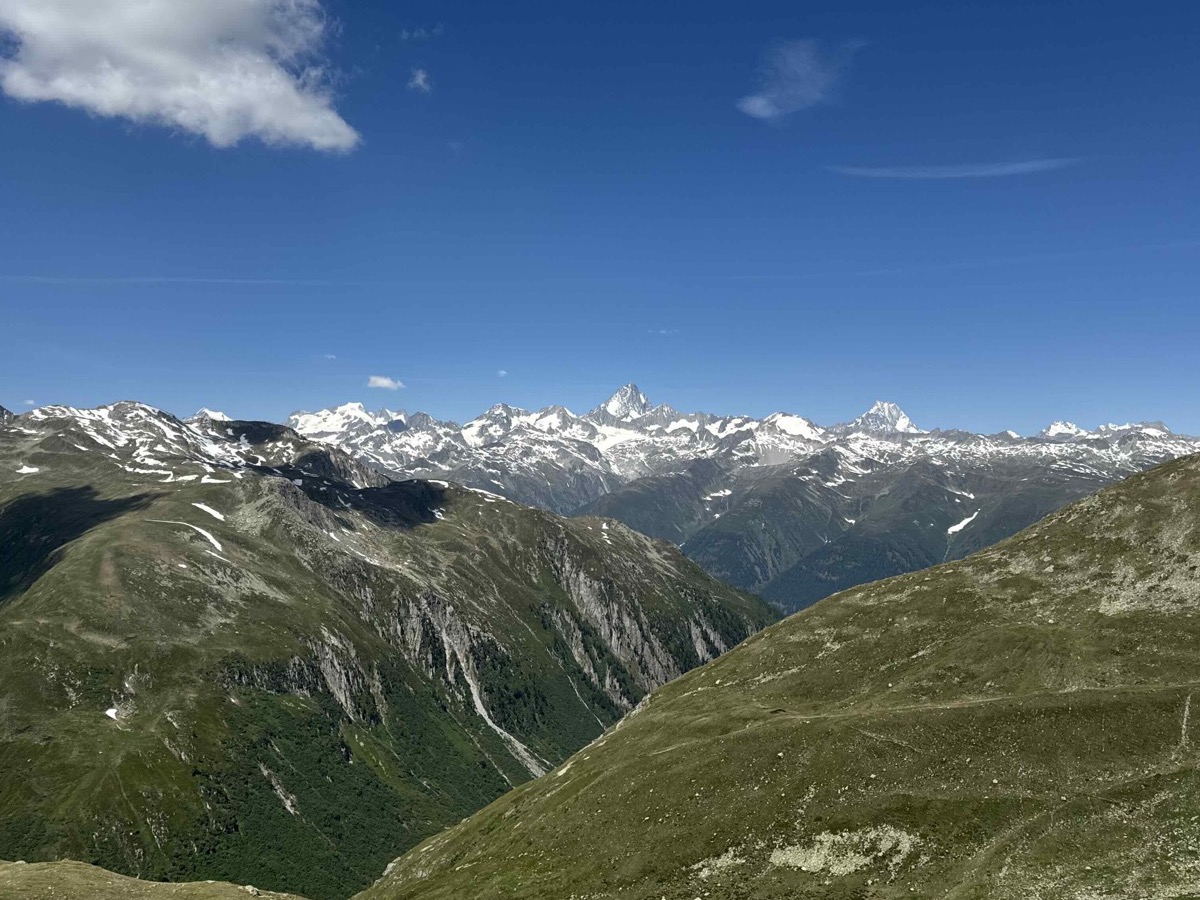
Day 7 was the "if it was good, ride it again" principle. Two options on the table: chase down the waterfall in the Formazza valley, or run the Nufenenpass a second time. The waterfall route had been pretty enough the day before, but it's one of the lower passes — busy with trucks and patches of roadworks — and the Nufenen had been the quieter, cleaner ride. Two of us voted to head back up. Quick spin to the top, coffee and apple strudel at the col, the long views down into Italy laid out below. The other two had earned a slower day at the chalet.
Loaded onto the Lötschberg
The car-transporter train, then north to the Rhine.
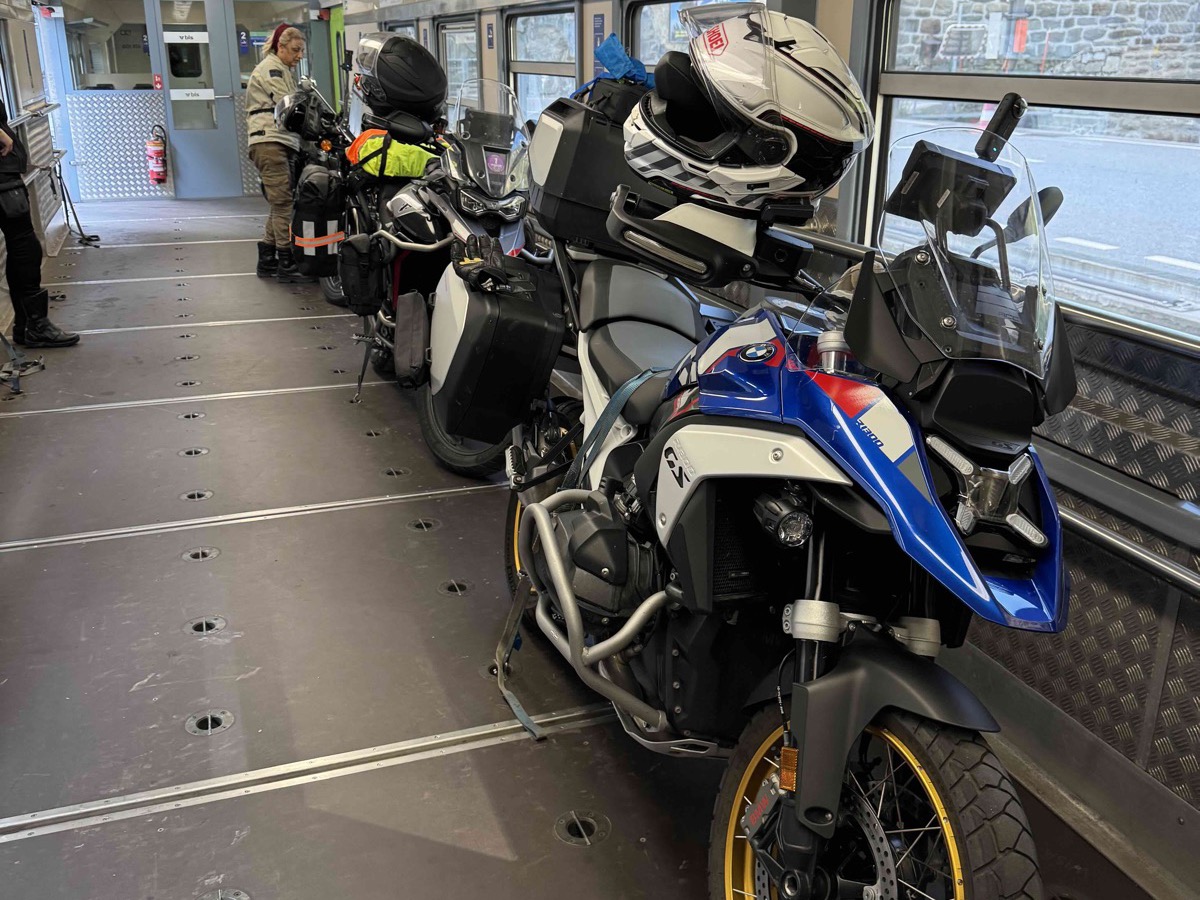
Heading north, we did the thing every rider should do at least once: loaded the bikes onto the car-transporter train at Goppenstein and let the Lötschberg tunnel do the climbing for us. You ride on, kill the engine, and the mountain you'd otherwise spend an hour crossing slides by in the dark.
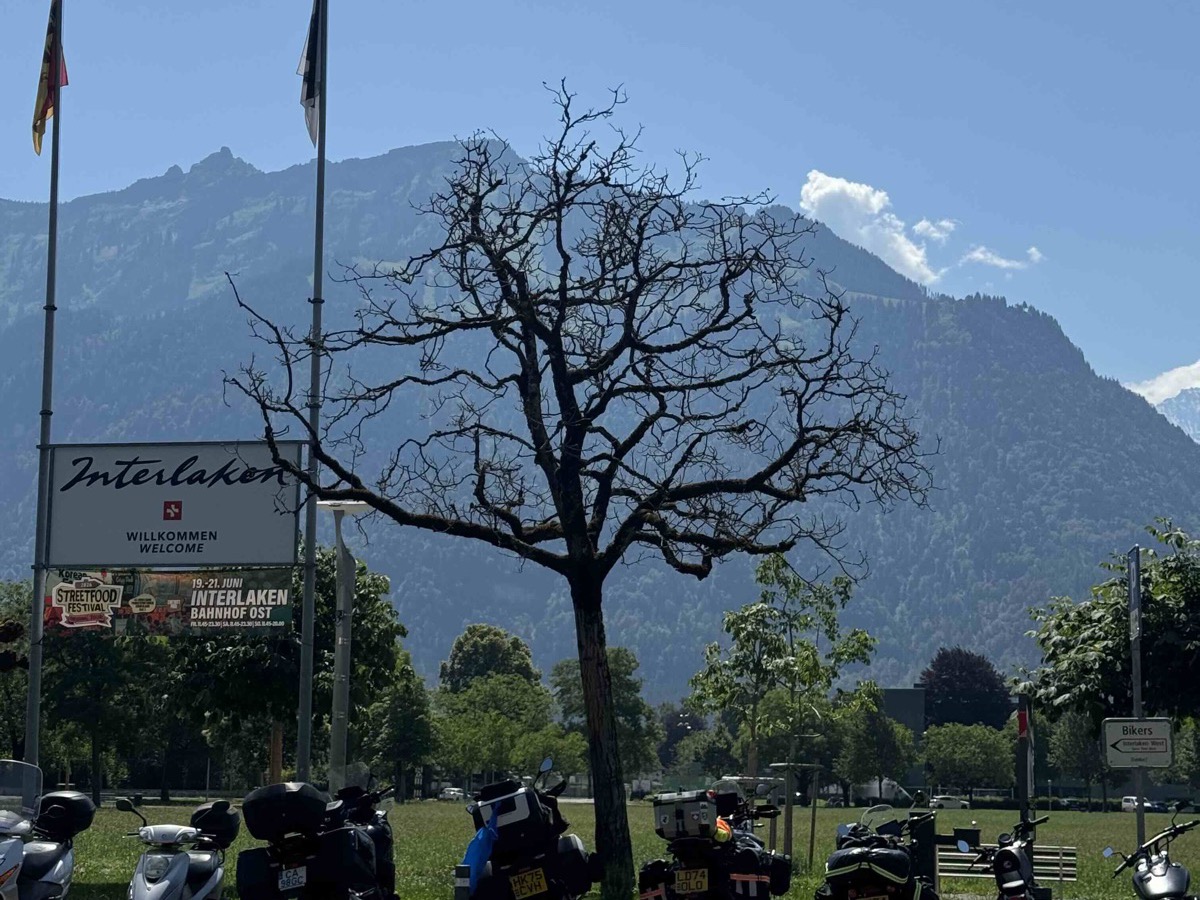
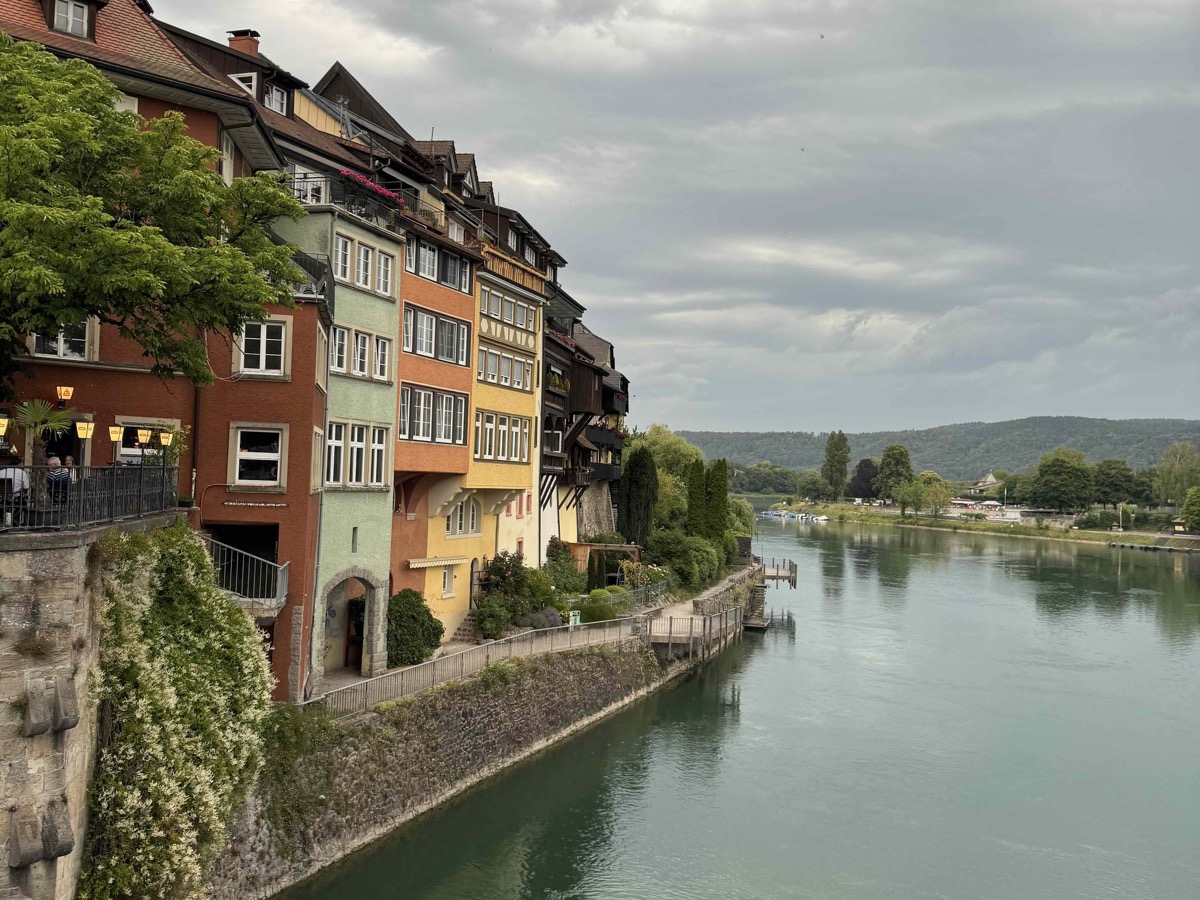
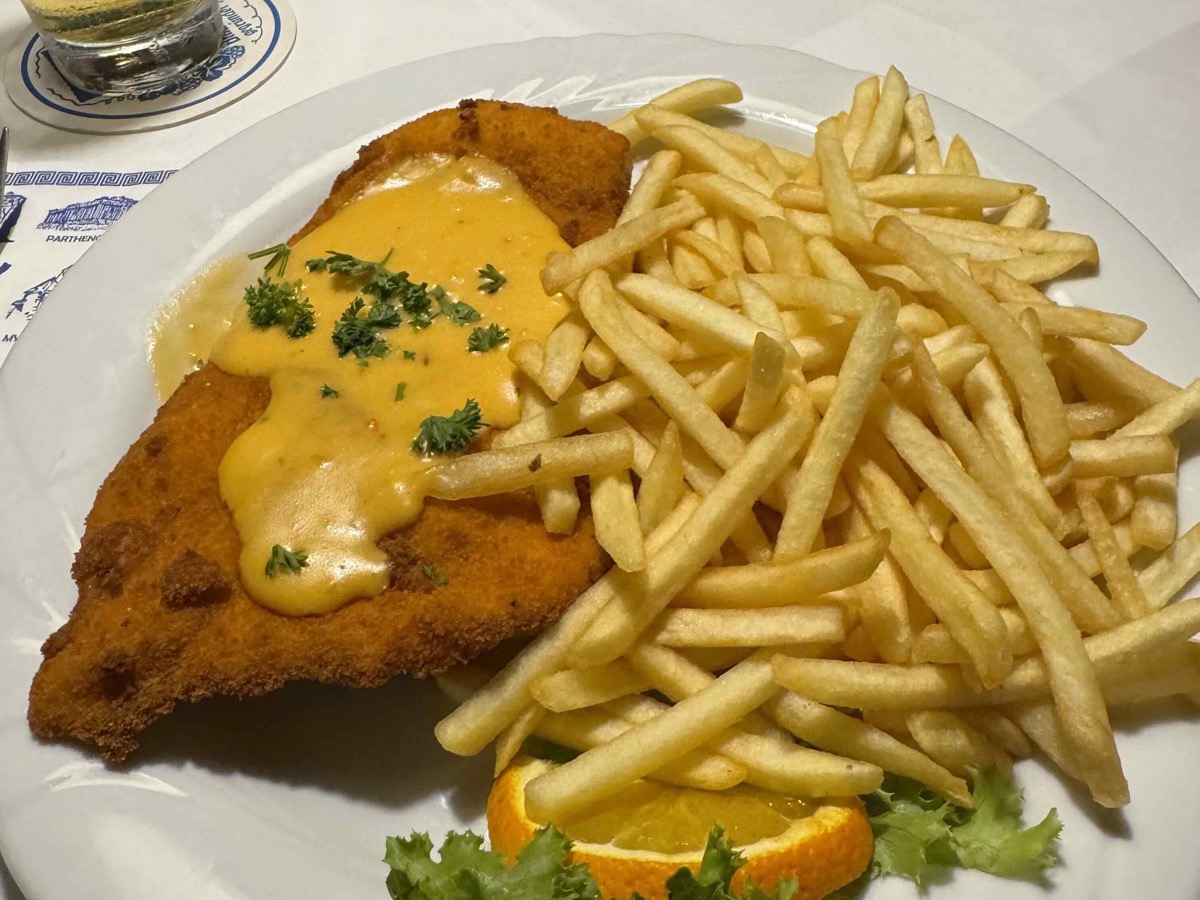
Out the other side we ran through Interlaken and over toward the German border, finishing the day at Laufenburg — a small town that straddles the Rhine right on the German-Swiss border. Dinner was a proper hearty schnitzel and a mountain of chips. Earned. Home felt closer now, but there was still good riding between us and the Channel.
Cuckoo clocks and the Black Forest
Less altitude than the Alps, but all the corners.
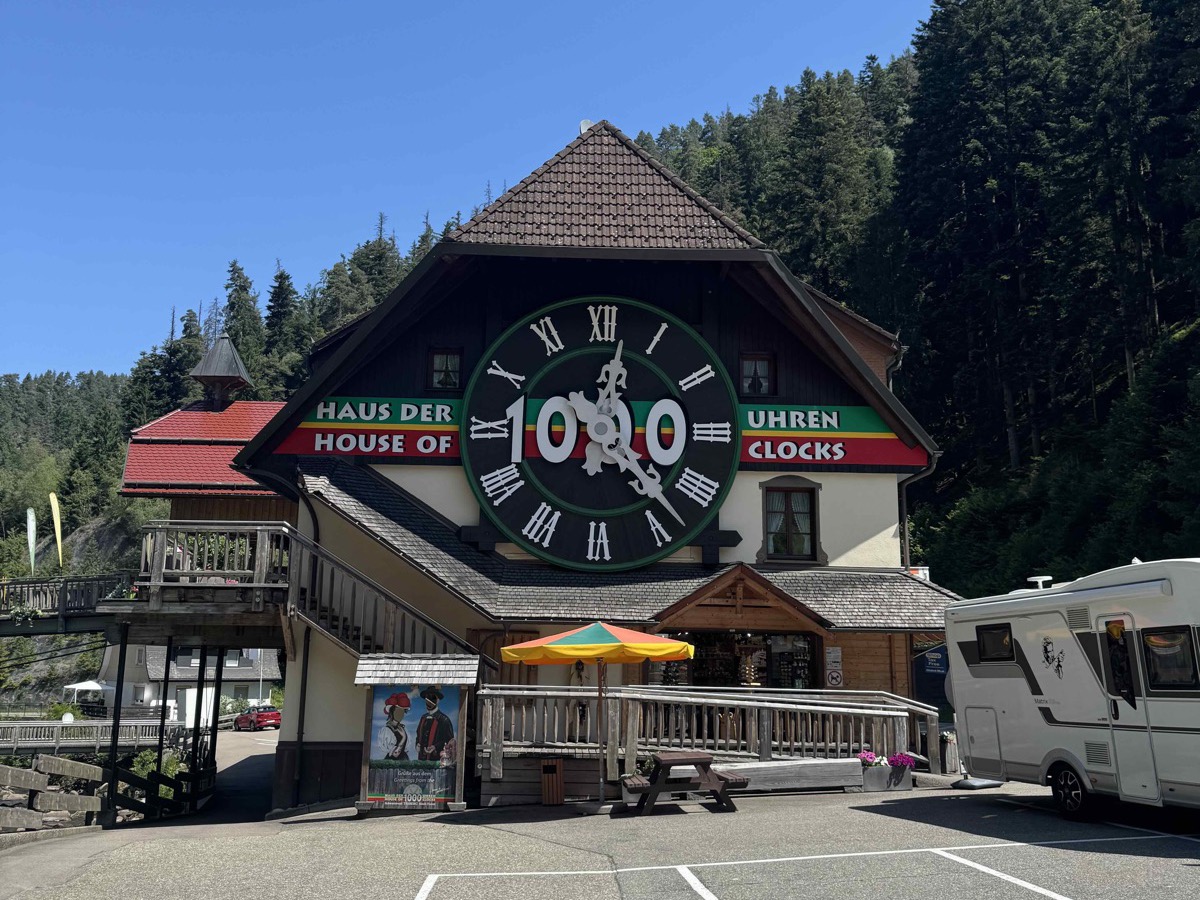
The Black Forest doesn't have the altitude of the Alps, but it has the corners. We threaded the Schwarzwaldhochstraße — the high road through the pines — and stopped in Triberg at the famous House of Clocks, home to some of the largest cuckoo clocks in the world. It's gloriously, unashamedly kitsch, and exactly the sort of thing you should stop for on a long ride home. We ended the day in the spa town of Baden-Baden.
Into the Ardennes
Green, rolling, forested country with a castle round every other bend.
A long day west brought us into Belgium and the Ardennes — green, rolling, forested country with a castle around every other bend, and roads good enough to be worth the slog. The catch: a lot of hydration stops in the heat and a couple of detours that turned a long day into a properly exhausting one. We stopped above Bouillon for the viewpoint over the medieval fortress crouched on its hairpin in the river, then pushed on, glad to roll into Vresse-sur-Semois for the night. Dinner was at Au Roy de la Bière. Earned. The Alps were behind us, but the riding stayed honest right to the end.
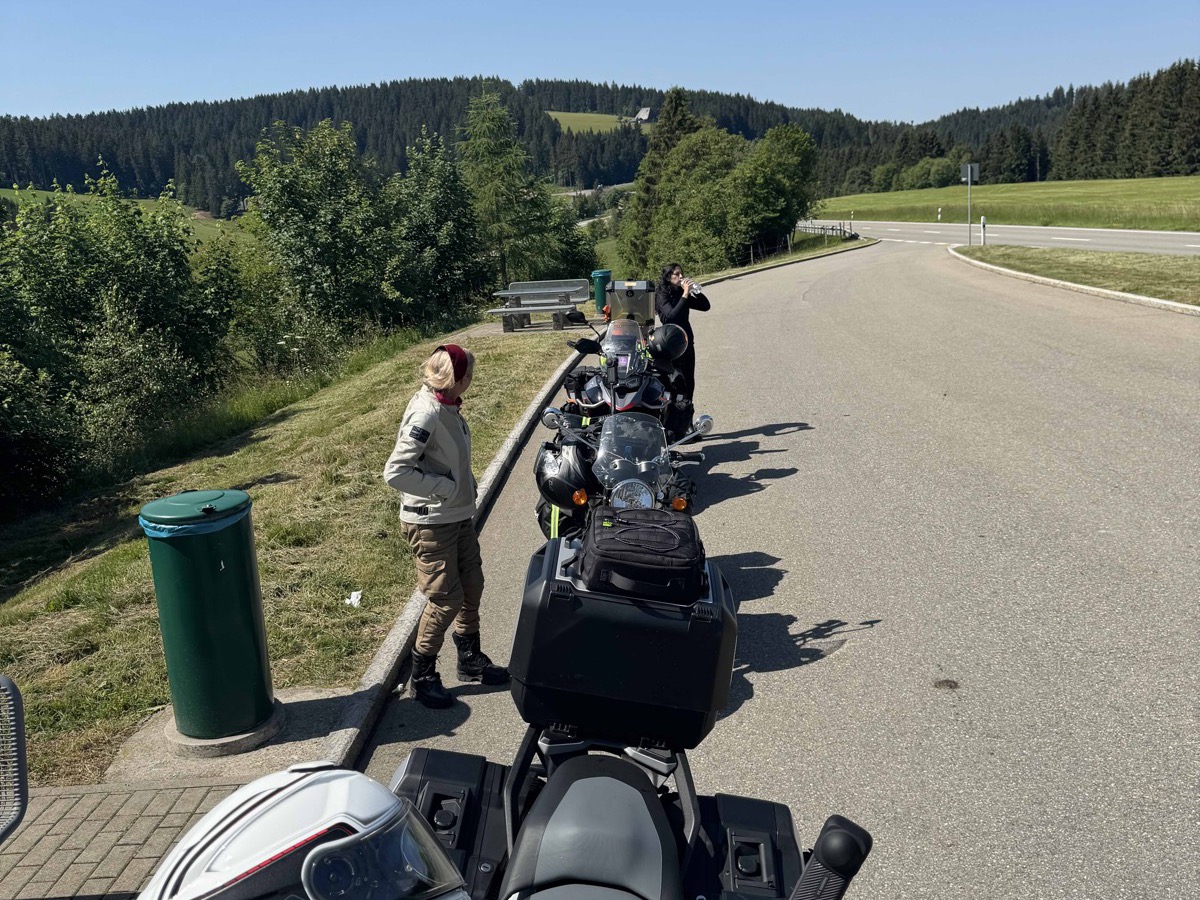
Ghent
The Belgian city that quietly out-charms its famous neighbours.
A shorter hop north to Ghent, one of those Belgian cities that quietly out-charms its more famous neighbours — canals, guild houses, and the kind of beer that makes you grateful you're not riding any further that day.
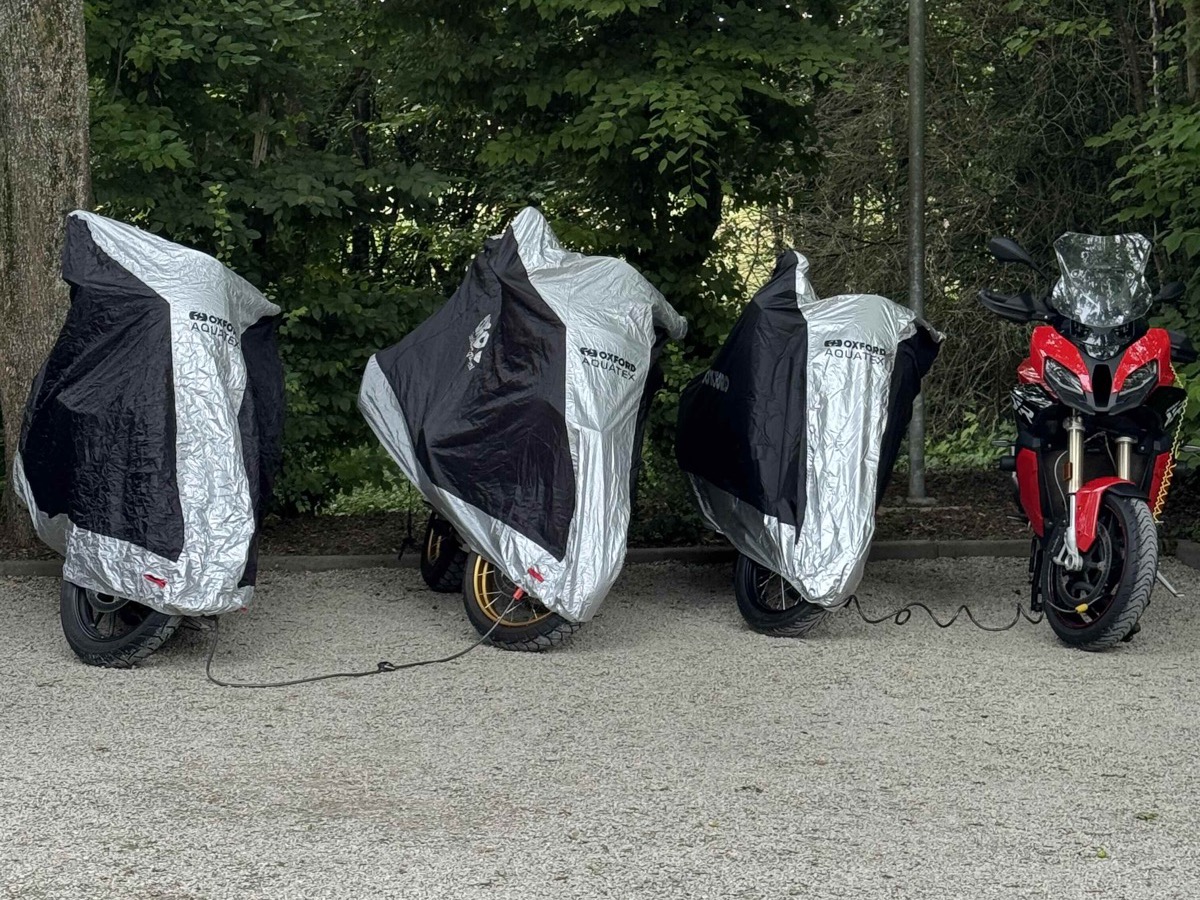
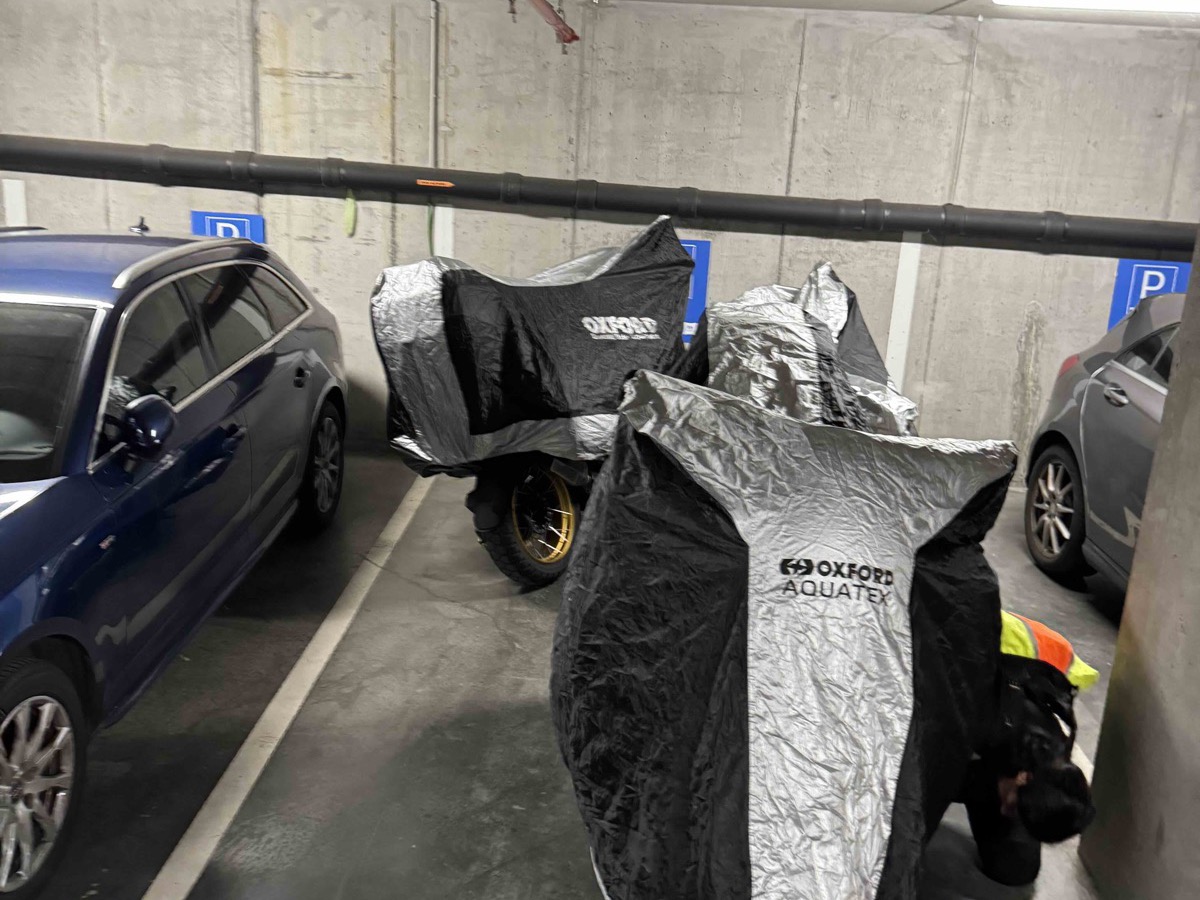
The hotel had great secure private parking for €19 — all four bikes tucked into one underground bay, covers on. Plenty of other riders had taken the free option, parked up on the street out front. (A pleasant trip-wide discovery: most hotels along the way charged us a single parking spot for all four bikes squeezed together. Worth asking when you book.)
Home
One last run to the coast, back into the metal box.
One last fuel stop, one last run to the coast, and back into the metal box at Coquelles for the trip under the Channel. We surfaced in England, peeled off one by one toward home in Weybridge, and that was that.
The numbers
Twelve days. Four bikes. Five countries. Some of the finest roads on the continent, ridden in good company and bloody hot weather.
The full 12-day route is a clonable tour template.
Clone it into your own tours, set your dates, invite your mates, and tweak any leg — stops, overnight addresses, expenses and the group all come across.
Related guides
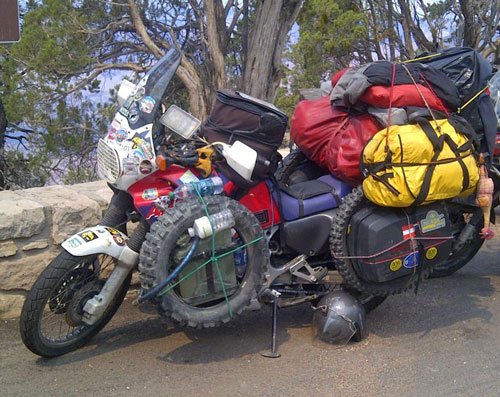
What to pack for a motorbike tour in France, Germany, Switzerland and Italy
A rider's checklist for European touring: documents, country-specific legal kit, riding gear, tools, navigation, comfort, money, medical, and the day-before checks.
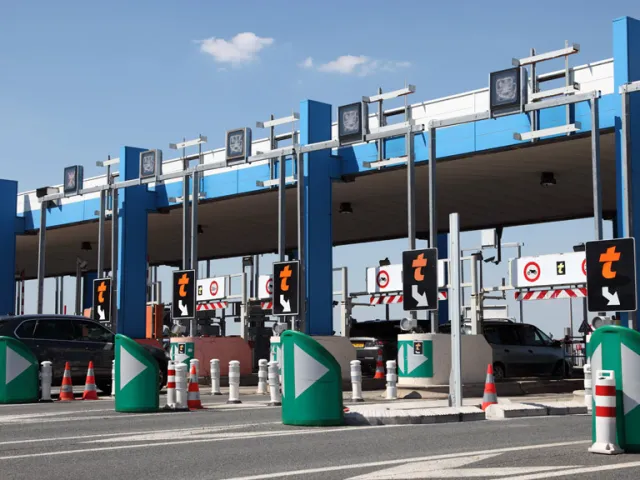
How to use French toll roads on a motorbike
How the péage system works, which lane to use, Liber-t electronic tags, the new Flux Libre barrier-less rollout, group ride logistics, and how to keep costs sensible.
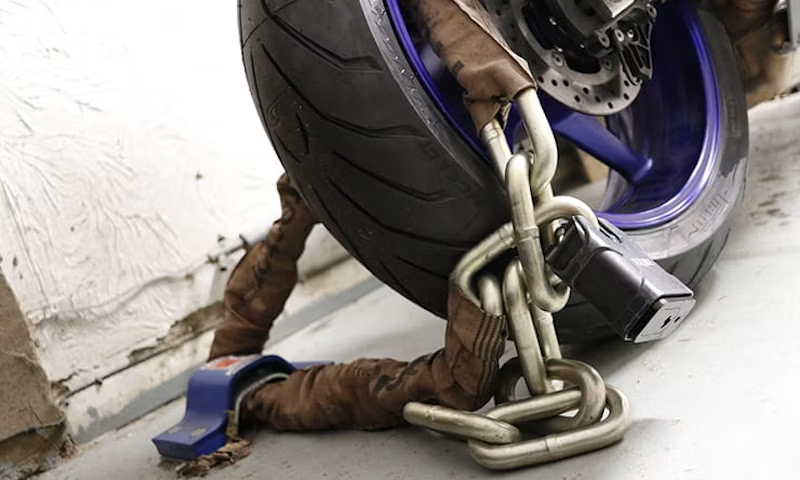
Keeping your motorbike from being stolen — at home and on tour
How bike theft actually happens, what works at home, what to carry on tour, locks and trackers worth the money, insurance small print, and what to do if your bike is taken.